
3-bedroom apartments for sale
Updated properties, prices, details and direct contact with the agency.
We connect your portfolio to your website, turning properties, developments, locations and market knowledge into owned, current and measurable pages. Portals continue to provide reach. Meanwhile, your business builds a channel that strengthens its own brand, domain, data and buyer relationships.
No CRM replacement · No first-position promises
Updated properties, prices, details and direct contact with the agency.
Listings from different advertisers gathered in one place.
Houses and apartments available to buy.
Portals can remain part of the strategy. The risk begins when all demand depends on them and none of the investment strengthens your brand, data or domain.
A portal is a storefront. Your domain is where your pages, data and customer relationships stay with your business.
/propertiesPortfolio/developmentsProduct/locationsContext/guidesContentThe listing can stay on the portal. The agency’s brand should not live there.
You do not need to abandon portals. You need to stop relying on them alone.
A CRM-connected website, search architecture, content and measurement brought together as one continuous operation.
Real estate SEO is the category. The product connects technology, content and data to turn an isolated website into an owned discovery channel.
Your portfolio changes every day. Your digital presence should keep up.
Price, photos, location, size and availability already live in your CRM. We connect that data to the website so every property gets a well-structured, up-to-date page.
Add a property and a page is created. Change the CRM and the website keeps up. Remove it from the portfolio and we preserve the visitor experience and the search signals already built.
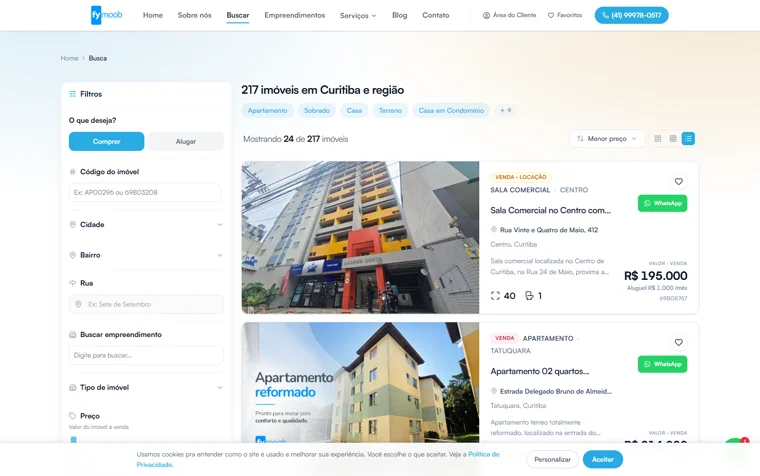
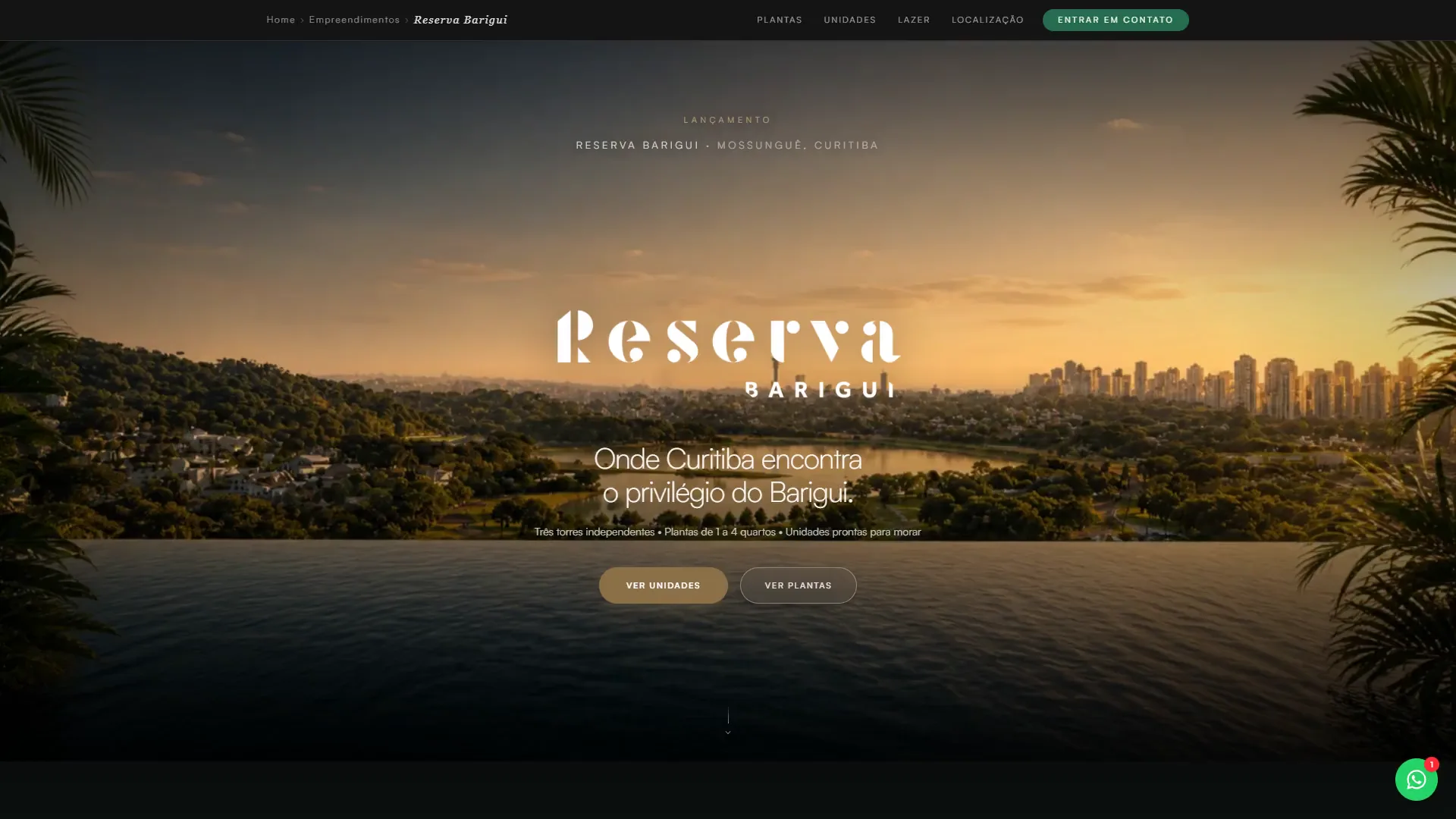
With Fymoob, publishing does not end in the CRM. Properties, developments and locations get their own pages without someone copying every listing.
The value is not a single spike. It is a structure that follows the portfolio, creates new entry points and learns from real searches.
Before showing a page, Google needs to find it, understand what it offers and recognise which searches it may answer.
Links, sitemaps and a clear architecture show which pages exist and when they change.
Content, local context and structured data explain the property, location, company and search intent.
When a page is useful, fast and relevant, it may be shown to someone making a related search.
Google is clear: no one can buy a guaranteed first position. There is technical work, useful content and continuous improvement. That is why authority takes time and becomes difficult to copy.
SEO stands for Search Engine Optimization. In practice, it is the ongoing work of organising your website, pages and content so search engines understand your company and can show it to people already looking.
Advertising buys attention while the campaign is running. SEO builds a presence that keeps working.
You can buy traffic tomorrow. You cannot buy, today, the history you chose not to build yesterday.
We improve crawling, speed, structure, sitemaps and the signals that help Google understand the website.
Properties, neighbourhoods, cities and developments get useful pages connected to the live portfolio.
Search Console shows which queries are growing, where impressions are not turning into clicks and what should improve next.
Consistency, usefulness and presence increase the chance of a brand being found and recognised over time.
The work has three parts. First we fix the foundation. Then we expand the pages people can find. Finally, data tells us what to improve next.
We review speed, crawling, indexing, architecture and sitemaps. You receive a clear diagnosis and written priorities.
Properties, developments, locations and guides get their own URLs. The structure helps Google understand each page without your team repeating work.
/propertiesPortfolio/developmentsProduct/locationsContext/guidesContentSearch Console and Analytics stay in your name. Queries, pages and opportunities guide what should be created, fixed or improved.
Engineering, content and data work together. The strategy begins with how the agency operates and ends with decisions you can follow.
We connect the portfolio to the website to reduce duplicated work and keep information consistent.
Properties, developments, locations and buyer questions each get the right structure.
Search Console and Analytics belong to your business, with clear access to what is happening.
We show the work, data, limitations and next decision without hiding the process.
Forxia does not hand over a report to be filed away. It delivers an operation built to publish, measure, learn and improve.
Google may discover new pages in days or weeks, but consistent growth usually takes months. Timing depends on the website, competition, market, portfolio quality and publishing pace. Anyone guaranteeing an exact ranking or date does not control what they are promising.
Not immediately, and that does not need to be the first goal. The aim is to build an owned source of discovery, reduce dependence, strengthen the brand and create direct enquiries over time.
Not always. We first review the existing structure and integration options. If there is a material limitation, it is made clear before the proposal.
It does not need to compete for every search in the country. It can build relevance around locations, property types and needs it understands better.
No. Structured CRM data can provide the foundation for listing pages. Automation handles scale; people handle what requires judgement.
The work usually includes a technical implementation and ongoing support. The initial diagnosis is free and leads to a clear proposal before any commitment.
We review what Google can find, how the CRM connects to the website, which pages represent an opportunity and how to measure the path to an enquiry.
No CRM replacement · No first-position promises